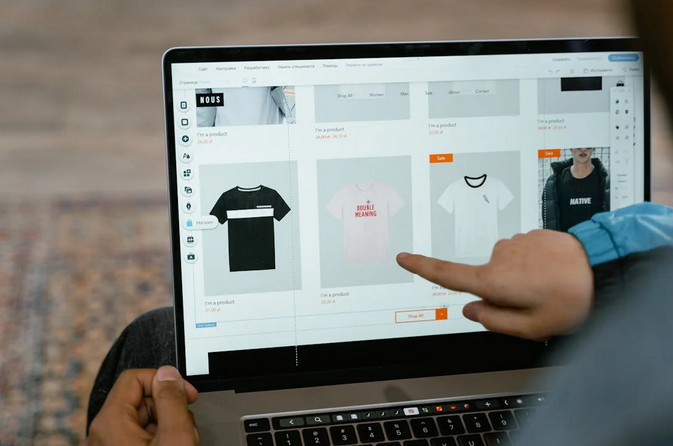
The fashion industry has long struggled with overproduction and excessive waste, but digital sampling is helping change the game. Traditional sampling required creating physical prototypes of every design, often leading to discarded materials and unsold inventory. Digital tools now allow designers to visualize garments in 3D, test fabrics virtually, and refine designs without producing physical samples. This approach minimizes waste, reduces costs, and accelerates development. By simulating textures, colors, and fit digitally, fashion brands can make informed decisions before ever cutting a single piece of fabric, making sustainability more practical and integrated into everyday design workflows.
Minimizing Material Waste Through Virtual Prototypes
Physical samples require fabric, thread, and other materials, which are often discarded once a design is approved or altered. Digital sampling eliminates much of this waste by enabling designers to iterate virtually. 3D models allow teams to test silhouettes, proportions, and color schemes without touching physical materials. Only the final approved designs may require a physical prototype, drastically reducing leftover fabric and associated waste. This shift not only conserves resources but also lowers production costs, supporting both environmental and business goals.
Accelerating Design Decisions and Reducing Overproduction
Digital sampling speeds up decision-making by enabling designers, buyers, and marketing teams to review concepts in real time. Faster approvals mean fewer unnecessary production runs and less risk of creating garments that don’t sell. Overproduction is a major source of waste in fashion, with excess stock often ending up in landfills or being sold at deep discounts. By using virtual samples, brands can align designs more accurately with market demand, reducing surplus and minimizing environmental impact while keeping production schedules efficient.
Enhancing Sustainability and Brand Responsibility
Digital sampling aligns with growing consumer demand for sustainable practices. Brands that implement virtual prototyping demonstrate commitment to environmental responsibility and resource conservation. It also encourages a more thoughtful approach to design, as teams can experiment digitally without the pressure of wasting materials. By incorporating digital workflows, fashion companies can reduce their carbon footprint, limit textile waste, and meet sustainability targets without compromising creativity. Consumers increasingly recognize and reward brands that take tangible steps toward responsible production.
Digital sampling is revolutionizing fashion by reducing waste, accelerating design decisions, and supporting sustainable practices. Virtual prototypes allow brands to test and refine ideas without producing excess physical materials, lowering both environmental and financial costs. This technology helps combat overproduction while maintaining creativity and quality. By adopting digital sampling, fashion companies can create more sustainable collections, reduce their carbon footprint, and respond efficiently to market demands. In a fast-paced industry, digital sampling proves that innovation can benefit both the planet and the bottom line.…